


The Tree Bumblebee
First spotted in the UK in only 2001. It seems the Tree Bumblebee arrived here under it’s own steam. It has spread rapidly throughout the UK, has not harmed local native bee populations and is a good pollinator so a welcome addition
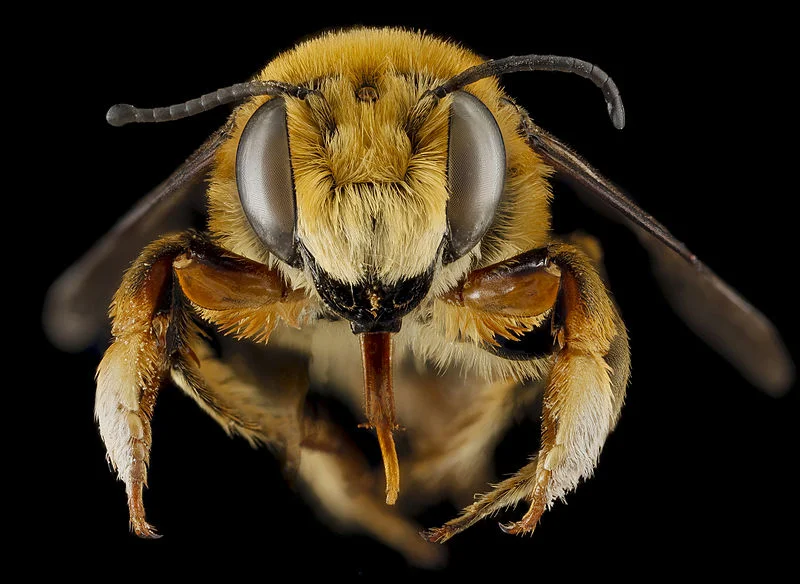
The Leaf-Cutter Bee
Delicate and skilful, the Leaf-Cutter Bee is an incredibly interesting genus of bee that contains nearly 1500 recognised species. Some pulp the leaves and plant material to create their nests, many neatly cut the material directly from the plant.

The Early Bumblebee
The Early Bumblebee or Early Nesting Bumblebee get's it's common name from the fact it can be seen even in February. It lives in colonies with queens and workers with the queen keeping order through aggressive displays rather than pheremones as is more common.

Holly Blue
The Holly Blue is found throughout the Southern half of the British Isles and all through Ireland. It's wildly fluctuating but cyclical numbers are thought to be down a parasite. It's beauty is barely rivalled in my opinion and it needs our support

The Ashy Mining Bee
The Ashy Mining Bee is particularly well named. It's distinctive grey colouring and ground nesting behaviour make it a great little pollinator to look out for in your garden. In flight from March until mid June.
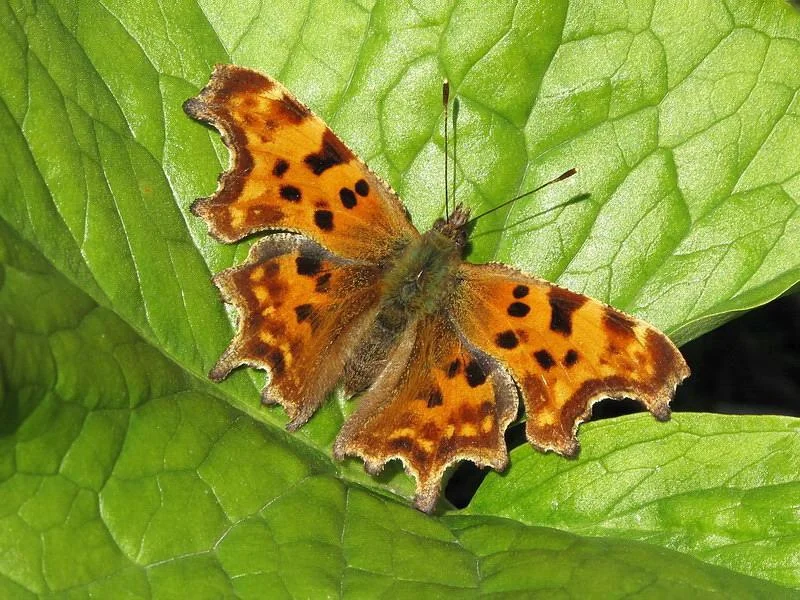
Comma Butterfly
The Comma butterfly is widespread throughout the woodlands of the UK. It's distinctive but well camouflaged wings are a marvel of evolution and it is actually increasing it's range due to climate change.

Western Bee Fly
The Western Bee Fly, often called the Bomber fly, is an important pollinator and a vital cog in the wheel of British bio-diversity. The Beebomb Bee-log takes a closer look at the fascinating and ingenious behaviour of this relatively un-heralded garden visitor.

Brimstone Butterfly
The Brimstone Butterfly is one of Britain's institutions. It's beautifully camouflaged wings can be seen on wetlands and in woodlands throughout the England and Wales. Although still common, it's distribution has declined by 43% since the 1970s.

Wool Carder Bee
The Wool Carder Bee. A really interesting pollinating pal. The European Wool Carder Bee is relatively well distributed through Southern UK. They demonstrate some fascinating nesting behaviour, gathering the hairs on small leaves which is how they get their name. Let's help #bringthebeesback

Buff-tailed Bumblebee
The Buff-tailed Bumblebee. One of the UKs most recognisable pollinators and the species of bee most people visualise. Abolsutely vital to Bio-diversity in the UK and a beautiful, benign and busy visitor to any garden. The Beebomb bee-log takes a closer look at this under-appreciated insect. Let's #bringthebeesback


Old World Swallowtail
The Old World Swallow Tail can be found throughout the world but is critically endangered in the UK and can now only be spotted in areas of Norfolk. Beebombs help butterflies and all pollinators, as well as helping to #bringthebeesback

The Long Horned Bee
The Long Horned Bee is one of the most endangered pollinators in the UK. Needing a large area of wildflower habitat, the Long Horned Bee has suffered greatly from the loss of wildflower habitat in the UK over the last 70 years.