
Beebombs can really go out anytime and if conditions are right, they’ll come when they’re ready. That said, from late winter onwards is a really popular time to get them out. The main thing is not the date, it’s the watering.
Seedballs are brilliant because they protect the seeds and make sowing easy. But they do not magically water themselves. Most failures come down to one thing: letting them dry out just as the weather starts to warm up.
Here’s how to give them the best start, with the least fuss.
1) When to plant:
Late February through March is often when people start feeling that “right, let’s sort the garden out” energy. That’s a great window for Beebombs because:
The soil is usually still holding winter moisture
Days are getting longer (more light helps seedlings push on)
You can stay on top of watering before it gets properly warm
If it’s still frosty where you are, that’s fine. Just avoid placing them in a spot that repeatedly freezes solid and then dries out in sun. Cold is less of a problem than drying.

2) Choose the right spot: sun and clear soil
Wildflowers are scrappy, but seedlings are not. They need a small head start before they can compete with grass and bigger plants.
The best places are:
Bare patches in the garden
Borders where you can clear a little area
Pots and planters (great if your ground is weedy or very grassy)
Neglected corners where nothing much is happening
What you want is a bit of clear soil so the seedlings aren’t immediately shaded out. If you drop seedballs into thick grass, the grass usually wins.
Quick prep that actually helps:
Pull back grass and weeds in a small circle
Rough up the top couple of centimetres of soil with your fingers or a trowel
Make sure the seedball is sitting on the soil, not buried deep
Seedballs don’t need planting like bulbs. They just need contact with soil and consistent moisture.
3) Watering: the only part you really need to take seriously
This is the bit that makes the difference.
The rule of thumb
Keep them damp while they’re getting going, especially once the sun starts showing up properly in late Feb and March.
Early spring can be deceptive. It feels mild, there’s a bit of sun, and suddenly the top layer of soil dries out in a day. The seedball and the tiny roots can dry before they’ve established, and that’s when people assume “they didn’t work”.
How much water?
First 2 to 3 weeks: water a lot and often
Aim for the soil to stay consistently moist but not waterlogged
Pots dry out faster, so check them more often
If you can, give them a proper soak at the start, then keep them ticking over. You’re not trying to drown them, you’re stopping them from drying out.
Once you see green shoots and a few true leaves, the hard work calms down. At that point, the roots are doing their job.
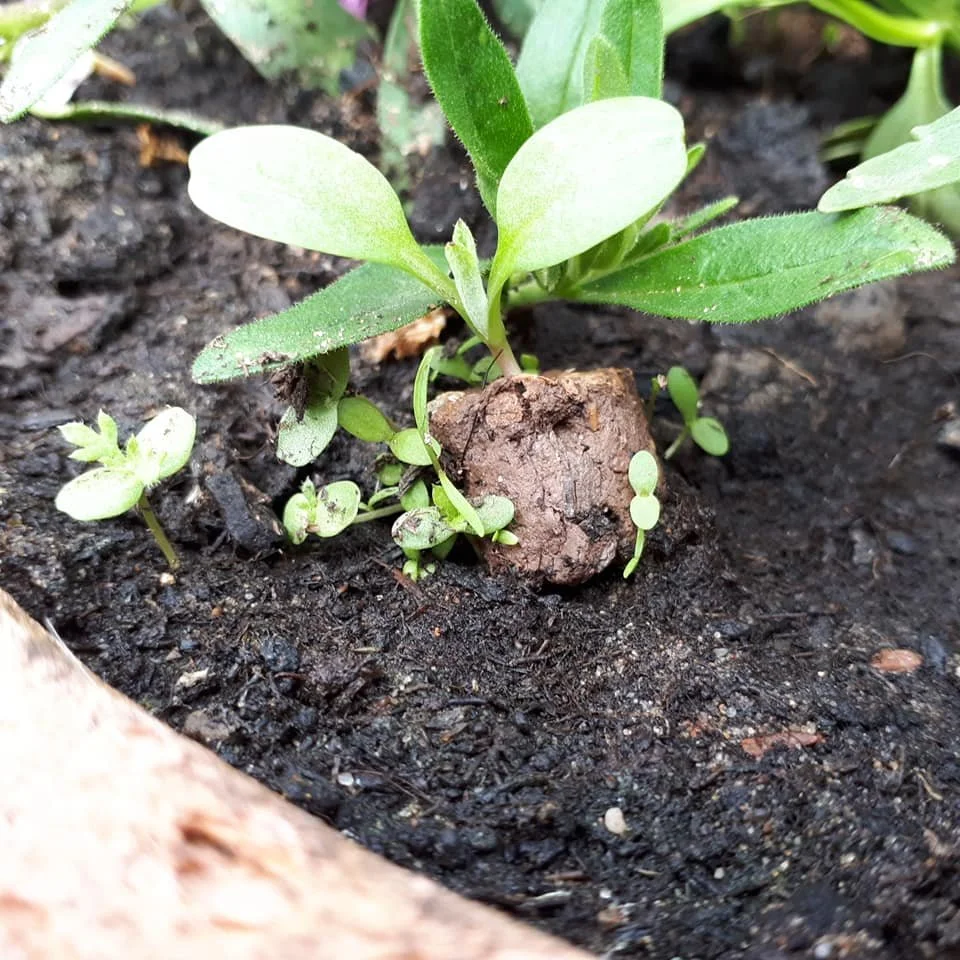
4) What to expect: the quiet bit, then the pop
Beebombs don’t always do anything exciting immediately. That’s normal.
A typical early spring timeline looks like:
Days 1 to 7: the seedball softens and breaks down
Week 2 onwards: first little shoots appear (often tiny and easy to miss)
After germination: growth speeds up with warmth and light
If you’re watering and the soil is in full sun, you should start seeing signs of life fairly soon. If you’re not seeing anything after a few weeks, the troubleshooting section below will help.
5) Troubleshooting: the common reasons seedballs struggle
“I watered once and it rained last week”
Early spring rain is often patchy and light. The top of the soil can still dry quickly, especially in sun or wind. If in doubt, water.
“They’re in shade”
Most wildflowers need decent light. Dappled shade can work, deep shade usually does not. If it’s a shady spot, use a shady wildflower mix rather than a full sun mix.
“They’re in grass”
Seedlings get smothered. Clear a small patch and try again. Even a dinner plate sized circle makes a big difference.
“The soil is very compacted”
Rough it up and add a bit of loose compost on top if you’ve got it. You do not need fancy soil, just a surface that roots can actually penetrate.
6) A simple checklist for success
If you only remember three things, make it these:
Clear soil (seedlings need space)
Full sun (wildflowers love it)
Keep them damp (especially as spring warms up)
Do that, and you’ll almost always get a good result.
A quick note for pots
Pots are brilliant for Beebombs, but they dry out quickly and seedlings are less forgiving. If you’re doing pots:
Use a decent sized pot with drainage
Keep it somewhere bright
Water more often than you think, especially on breezy days
A pot that dries once in early growth can set things back a lot.
Final thought
Any time from now is a good time to get your Beebombs out. The difference between “nothing happened” and “look at that!” is nearly always moisture and a bit of clear ground.
Give them sun, give them damp soil, and let spring do its thing.
🐝🌼❤🌺
